Road Notes · Across America

What traveling across America taught me about USA. Food, building, and Trucks

Food
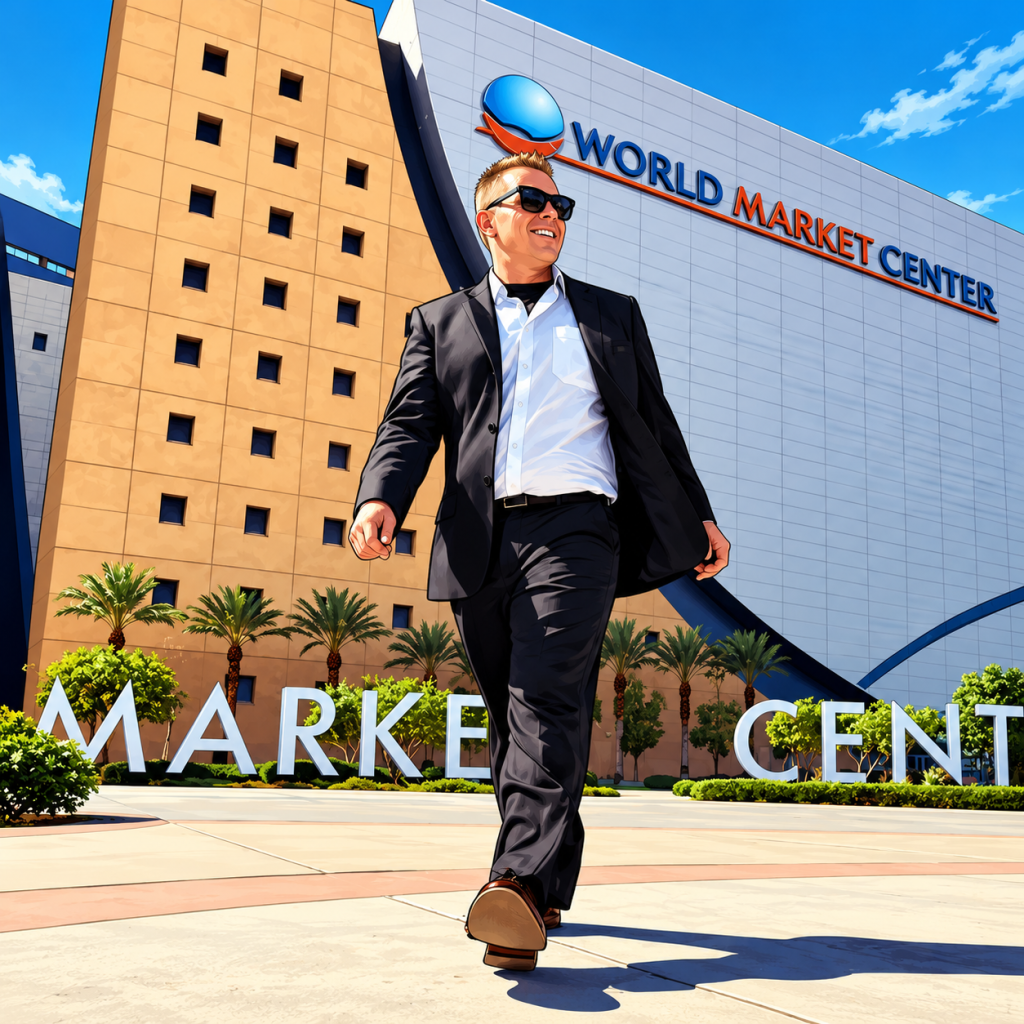
Building
Trucks

What Traveling Across America Taught Me About the USA: Food, Buildings and Trucks

After COVID, I hit the road.

I had spent years working with clients all over the United States, but there was something strange about that.

I knew their businesses.
I knew their websites.
I knew their competitors.
I knew their cities from Google Maps.
I knew their search markets.

But I didn’t necessarily know where they lived.

Not really.
So I decided to go see it.
I wanted to drive across America.
See the cities.
Meet some of the people.
Eat the food.
Look at the buildings.
Understand the markets.

And get a better feeling for the places where my clients actually lived and worked.

It turned into one of the best educations I’ve ever had.

And one of my first observations was incredibly simple.

Stop 01

Holy Shit, There Are a Lot of Trucks

18-wheelers.

Everywhere.

Drive across America and you begin to understand something that doesn’t fully register when you’re sitting at home ordering something from your phone.

This country moves an unbelievable amount of shit.
Truck after truck after truck.
Interstates packed with them.
Distribution centers surrounded by them.
Truck stops full of them.
Warehouses feeding them.
Highways connecting all of it.

When people say America runs on trucking, they’re not bullshitting.

You don’t really appreciate the scale until you’ve spent days driving alongside it.

Food.
Building materials.
Equipment.
Furniture.
Consumer products.
Industrial supplies.
Everything.
Moving.
All day.
All night.
Across thousands of miles.
America looks very different through a windshield.
Stop 02

I Started From Home

For me, that meant Las Vegas.
The desert.
The place I knew.

From Vegas, I made my way through Phoenix and the Grand Canyon and eventually toward Denver.

That drive alone gives you an appreciation for the scale of the West.

Everything is spread out.
Huge distances.
Huge skies.
Mountains.
Desert.
Trucks.
Lots and lots of trucks.
Then you reach Colorado and the environment changes.
So does the economy.
So do the buildings.
So do the customers.
Stop 03

Denver Taught Me About Affluent Markets—and Glass

I spent a lot of time in Denver over the years.

Denver was important to me because it helped me understand something I would eventually apply to commercial glass.

Colorado has a tremendous amount of wealth.
Not necessarily the kind that always screams at you.
But it's there.
Denver.
Cherry Creek.
The surrounding suburbs.
The mountain communities.
Affluent pockets everywhere.
And affluent markets have different expectations.
Buildings matter.
Architecture matters.
Presentation matters.
Contractors matter.
Service matters.
I started paying more attention to commercial buildings.
Entrances.
Storefronts.
Glass systems.
Retail.
Office buildings.
Tenant improvements.

Eventually, commercial glass became an entire business direction for me.

That’s one of the interesting things about traveling.

You start noticing things you never noticed before.

Once you understand an industry, the physical world starts revealing it everywhere.

A storefront isn't just a storefront anymore.
You see the glazing.
The doors.
The entrances.
The framing.
The tenant improvement.
The construction behind it.
You start seeing the economy through the buildings.
Stop 04

Then I Went to Texas

From Denver, I eventually headed south to Austin.

First observation:

Some of the best BBQ I've ever eaten in my life.

Texas takes that shit seriously.

But Texas also gave me another education.

One of my clients in Austin gave me firsthand insight into the water damage that followed the massive Texas freeze and blackout in 2021.

Pipes froze.
Pipes burst.
Homes flooded.
Buildings were damaged.
Thousands of people suddenly needed contractors.

That showed me something I’ve continued thinking about ever since.

Weather creates markets.

Not theoretically.

Immediately.

A weather event can completely change the demand for plumbers, restoration companies, roofers, electricians and other contractors almost overnight.

And the buildings themselves aren’t independent of geography.

They’re responses to it.

Stop 05

Then I Drove East

From Texas, I headed toward Florida.

And I remember being surprised by one thing in particular.

Green.

Everything was fucking green.

Coming from Nevada and spending so much time throughout the West, it was almost shocking.

Trees.
Vegetation.
Water.
Humidity.

The South looked completely different from the America I was used to.

In some ways, the density of the vegetation reminded me more of the Northwest than anything in the desert Southwest.

America can change dramatically in a few hundred miles.
And those changes aren't cosmetic.
They affect business.
Stop 06

Florida Taught Me How Weather and Construction Intersect

Florida fascinated me.

Because once you start looking at a market through a contractor’s eyes, weather becomes part of the economy.

Rain.
Humidity.
Ground conditions.
Heat.
Storms.
Hurricanes.
All of it affects buildings.
All of it affects how buildings are constructed.
And all of it creates different contractor markets.

Roofing is different when you’re dealing with constant rain and major storms.

Water intrusion is different.
Drainage matters.
Moisture matters.
Construction methods matter.

Foundation and plumbing issues can be affected by local soil and site conditions.

Insurance matters.

Building codes matter.

Suddenly I wasn’t just looking at Florida and thinking:

Nice weather. Palm trees.

I was looking at buildings and asking:

Why did they build it that way?

That’s a much more interesting way to travel.

Stop 07

Atlanta Taught Me That One City Can Contain Completely Different Markets

From Florida, I made my way north to Georgia.
I got some wings.
Obviously.
But Atlanta taught me another important business lesson.
There isn't really one Atlanta market.
There's Atlanta.

Then there’s Buckhead.

And then there are parts of South Atlanta that are completely different again.

Different wealth.
Different buildings.
Different customers.
Different expectations.
Different services.
Different price sensitivity.
Different contractors.

A contractor servicing an affluent property owner in Buckhead may be selling something very different from a contractor servicing another part of the metro.

Same general service.
Completely different customer.
That's important.
Because marketers love drawing circles around cities.
ATLANTA
Done.
Except people don't live inside marketing circles.
Markets fragment.
Wealth clusters.
Customer expectations change neighborhood by neighborhood.
Chicago is like that.
St. Louis is like that.
Most major American cities are.
You can't truly understand a market by knowing the city name.
Stop 08

Nashville Made That Even More Obvious

Then I headed north toward Nashville.
Nashville was another great example.
Downtown Nashville is one thing.
Drive south.
Brentwood.
Franklin.
Spring Hill.
Now you're traveling through an extremely affluent corridor.
And the service expectations go through the roof.
People have money.
The properties reflect it.
The businesses reflect it.
The contractors serving those customers need to reflect it too.
Grade A.
That's the expectation.
The truck matters.
The employee matters.
Communication matters.
Presentation matters.
How quickly you respond matters.
The estimate matters.
The website matters.
The work obviously matters.
Everything matters.
Because affluent customers have options.
That became another recurring lesson from traveling.
The same trade can be a completely different business depending on the clientele.
Stop 09

Then Ohio Surprised Me

From Tennessee, I headed toward Ohio.
I really enjoyed Ohio.
I liked the infrastructure.
I liked the people.
I liked the roads.
I liked how connected everything felt.
Excellent state.
And again, driving instead of flying changes your perspective.
You see the industrial areas.
The suburbs.
The distribution centers.
The older buildings.
The new construction.
The trucks.
Always the trucks.
You start seeing how the country actually connects.
Not airport to airport.
Road to road.
Stop 10

Buffalo Became Personal

Eventually I made my way up to Buffalo.
And that part of the trip became something completely different.
I flew my mom out.
She had never seen Niagara Falls.

I had seen it once when I was about 13 years old while I was at hockey camp in Toronto.

From the Canadian side, obviously.

So we went together.

Of all the business lessons, cities, buildings, contractors and observations from those trips, that’s still one of the things that means the most to me.

We both still talk about it.
I'm glad I did that with her.
That's another thing traveling teaches you.
Not every return has to show up on a spreadsheet.

Some things you do because you’re going to remember them for the rest of your life.

Stop 11

Then Pittsburgh Blew Me Away

From Buffalo, I headed toward Pittsburgh.
What a cool city.
Pittsburgh felt American as hell to me.
Industrial history.
Bridges.
Hills.
Old buildings.
New buildings.
Community pride.
You can feel that the city built things.

And because I had become interested in commercial glass, I was particularly fascinated by Pittsburgh’s relationship with glass manufacturing and its industrial history.

Then you look around at all the modern glass buildings.
Old economy.
New architecture.
Same city.
That fascinated me.

Pittsburgh ended up being one of the most distinctly American cities I visited.

It felt like a place that remembered what it had built.

Stop 12

Indianapolis, Then Chicago

From Pittsburgh, I made my way toward Indianapolis on the way to Chicago.

Chicago was another important stop because of my commercial glass work.

My client and I talked about the evolution of storefronts and how important Chicago was to modern retail architecture.

That changes the way you walk around a city.
You're not just looking at stores.
You're looking at how retail itself evolved.
Glass changed retail.
Think about it.
The storefront window turned the building into advertising.
You didn't have to walk inside to see the merchandise.
The street became part of the shopping experience.
Architecture became marketing.
Glass became sales.

That’s the kind of connection I love finding.

And somewhere in there I also had the most amazing hot dog I’ve ever had.

Because not every observation needs to turn into a business model.

Sometimes the hot dog is just fucking excellent.

Stop 13

St. Louis and Kansas City

From Chicago, I made my way down through St. Louis and Kansas City.

St. Louis reinforced what I had seen in Atlanta.
Cities contain completely different economic pockets.
Cross a few neighborhoods and the customer changes.
The property changes.
The contractor changes.
The service expectations change.
Then Kansas City surprised me.
I expected KC to feel much bigger.
For some reason, I had mentally put it closer to Denver.
It wasn't.
Not even close.

That was another reminder of why physically visiting places matters.

Maps lie to your imagination.
City names create impressions.
Sports teams create impressions.
Population numbers create impressions.

But until you actually drive into a place, move around it and see the development yourself, you don’t really understand its scale.

Then eventually I made my way back toward Denver.

And by that point, I was looking at America very differently.

Stop 14

I Started Seeing Trades Everywhere

Once you’ve spent enough time working with contractors, you stop seeing buildings the way everyone else does.

I look at a commercial building and see:

Glass.
Roofing.
Electrical.
Plumbing.
HVAC.
Painting.
Drywall.
Concrete.
Fire sprinklers.
Tenant improvements.
Restoration.
Signage.
Doors.
Flooring.
Landscaping.
Maintenance.
Somebody installed all of it.
Somebody repairs all of it.
Somebody replaces all of it.
Somebody sells all of it.
Somebody owns the company employing the people doing it.
The built environment is an economy hiding in plain sight.

Traveling made that incredibly obvious to me.

Stop 15

Geography Creates Business

This may have been the biggest business lesson from the entire experience.

Where you live changes what you need.
Phoenix doesn't need exactly what Buffalo needs.
Florida doesn't build exactly like Nevada.
Denver customers aren't necessarily Nashville customers.
Buckhead isn't South Atlanta.
Franklin isn't downtown Nashville.
San Francisco isn't Las Vegas.
Climate changes construction.
Wealth changes expectations.
Population changes demand.
Architecture changes trades.
Weather creates emergencies.
History changes buildings.
Local culture changes how people buy.
And all of that changes the contractor.

That’s why I’ve become so interested in understanding markets at a much deeper level than:

Plumber + City = Lead.

It’s not that simple.

Stop 16

And Then There Are the Trucks

But if I had to choose one visual that connected almost the entire trip, I’d come back to the trucks.

18-wheelers.
Everywhere.
Desert.
Mountains.
Texas.
The South.
The Midwest.
The Northeast.
Back across the middle of the country.
Truck after truck after truck.
They became almost like the bloodstream of the country.
Warehouses feed them.
Factories feed them.
Farms feed them.
Ports feed them.
Distribution centers redirect them.
Stores empty them.
Construction sites consume what they're carrying.
Then the whole system starts again.

It’s easy to talk about the “American economy” as though it’s some abstract thing represented by a stock-market chart.

Drive across the country.

It stops being abstract pretty fucking quickly.

America is physical.
Buildings.
Roads.
Bridges.
Warehouses.
Pipes.
Wire.
Glass.
Steel.
Concrete.
Food.
Fuel.
Equipment.
And millions of people moving all of it around.
Stop 17

America Is Much More Interesting From the Ground

Flying is efficient.
You leave one airport.
A few hours later you land in another.
But you miss the connective tissue.
Driving showed me the connective tissue.
Las Vegas to Phoenix.
The Grand Canyon.
Denver.
Austin.
Florida.
Atlanta.
Nashville.
Ohio.
Buffalo.
Niagara Falls with my mom.
Pittsburgh.
Indianapolis.
Chicago.
St. Louis.
Kansas City.
Back to Denver.
Different food.
Different people.
Different buildings.
Different climates.
Different businesses.
Different expectations.
Same country.

And thousands upon thousands of trucks connecting the whole damn thing.

I went on the road because I wanted to see America and better understand where my clients lived and worked.

I came back understanding my clients better.

But I also understood business better.

Commercial glass made more sense.
Water damage made more sense.
Roofing made more sense.
Electrical made more sense.
Plumbing made more sense.
Painting made more sense.
Construction made more sense.

Because I had finally started seeing the environments that created the demand.

And somewhere between the BBQ in Austin, the wings in Atlanta, the hot dog in Chicago, the glass buildings in Pittsburgh, Niagara Falls with my mom and about ten thousand 18-wheelers passing me on the interstate, I realized something.

You can learn an awful lot about America by paying attention to three things:
What people eat.
What people build.
And what the trucks are carrying.

That’s America from the ground.

And I’m glad I drove through it.

Keith Sundstrom

Building systems. Testing ideas. Creating what’s next.

© 2026 Keith Sundstrom. All rights reserved.